
Merging councils in ‘urgent and focused conversations’ to salvage local democracy
Local government reform is coming – but do councils co-design change or have it forced on them?

Paula Southgate
5 June 2026
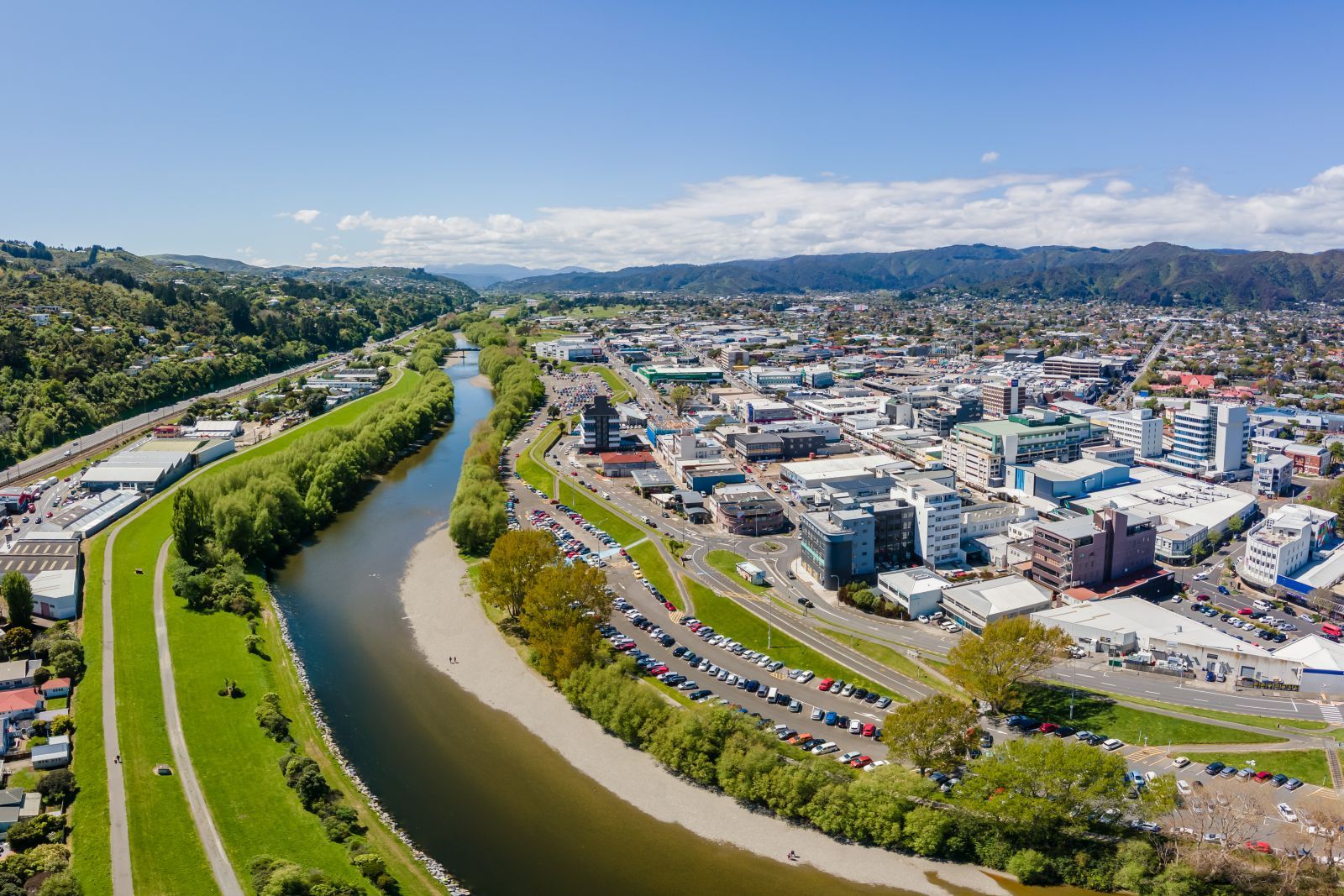
Councils have been given a blunt three-month deadline to rethink their future. Regional councils, as we know them, could disappear entirely. After years of reviews, reports, and working groups, reform can no longer be pushed aside. It is time to find solutions.
For more than a decade, local government reform has been talked about but rarely delivered. With a few exceptions, structural change has been incremental at best. That changed with the water services reform affecting 30–40 percent of councils’ infrastructure spending and revenue. This is not fine-tuning, this is a big change.
New Zealand has 11 regional councils, 11 city councils, 50 district councils and five unitary authorities – 1.5 councils per 100,000 people. That places us roughly mid-table in the OECD. But the real issue is not the number. It is whether the system still works.
The Government’s intended direction is now clear: efficiency, speed, and scale. “Cutting red tape” and “fast-tracking” infrastructure are not slogans any more, they are policy settings. The objective is growth: more housing, more business, more affordability, and putting the central government back in the driving seat.
The structure of local government was largely established in 1989. Since then, change has been limited. A handful of unitary authorities emerged in the 1990s. The most significant structural reform came in 2010 with Auckland’s Super City, merging eight councils to deal with fragmentation and match economic scale. The same logic is re-emerging in the face of huge financial pressures confronting many local authorities around the country.
In parts of the country, structural change was already on the table. Northland is considering consolidation across the Far North, Whangārei and Kaipara. Hawkes Bay continues to explore merged governance across its councils. Wellington is debating a metropolitan super city model. The logic is consistent: reduce duplication, lift capacity, and deliver infrastructure at scale.
However, is bigger always better? The Infrastructure Commission questions that assumption, suggesting that the focus should be on whether the current system delivers efficient infrastructure outcomes.
Right now, it does not. The current system is increasingly stretched. Some regions lack the ratepayer base to fund basic infrastructure. Others face rising affordability pressure, and rate caps are aimed squarely at protecting ratepayer affordability. Funding constraints are setting councils up to fail government expectations.
But what about local democracy – what would fewer local councils mean for ratepayers in New Zealand’s cities, towns and rural communities?
In 2023 Local Government NZ, a body representing most councils in New Zealand, launched its Super Local brand alongside the Choose Localism campaign. It didn’t invent that; it reflected the view of the sector.
Member councils saw localism as a core principle of democracy, believing that communities should have meaningful control over the decisions, services, and investments that shape their daily lives. They also saw local government as a powerful, community-led force for decision-making and investment and capable drivers of local economic and social outcomes. And to be fair, councils do deliver valuable community services and investments.
Some argue councils fighting change now is self-protectionism, but most elected members (including mayors) I talk with may be concerned about eroding local democracy but support change. The right kind of change. Conversations between them, right now, are urgent and focused.
Ireland, with a similar population and economy, offers a useful comparison and food for thought. In 2014 it cut local government from 114 authorities to 31, seeking to reduce duplication and align services after the financial crisis. Yet even there, the reform story has not ended. Recently concerns about centralisation and weakened local democracy have triggered further review. The pendulum is swinging back.
This brings me back to New Zealand.
This debate is not simply about size or structure. It is about whether local government still has the capacity to deliver the services communities depend on, and whether those services can be funded sustainably.
Scale, efficiency and affordability matter. But so does the ability to pay for what needs to be done. Whatever form local government takes, the functions need funding. And if reform comes at the expense of local democracy, it may replace one problem with another.
Reform is coming – the only question left is whether councils co-design change or have it forced on them.
Keywords

The Impact of Your Support
Your support makes everything we do possible - from producing new research and policy ideas, to hosting our honorary fellows programme, to running public events and member-only webinars that bring people together for meaningful conversations about New Zealand’s future.
37+
Major Reports Published
90+
Events Hosted
50+
Significant Media Appearances in 2025
12,500+
Individuals engaged with our Research