




The Helen Clark Foundation | Mahi a Rongo
We are an independent, non-partisan public policy think tank based in Tāmaki Makaurau Auckland



Our Values
We stand for inclusion, fairness, and sustainability.
The Helen Clark Foundation promotes the values demonstrated by Helen Clark across her lengthy public career: inclusion, fairness, and sustainability. We believe that these values are an essential bedrock for a well-functioning democracy, and for effective public policy.
Aotearoa New Zealand is our home, and we approach our work with a view to both learning from international best practice as well as contributing a distinctly local voice to policy research.
OUR PATRON
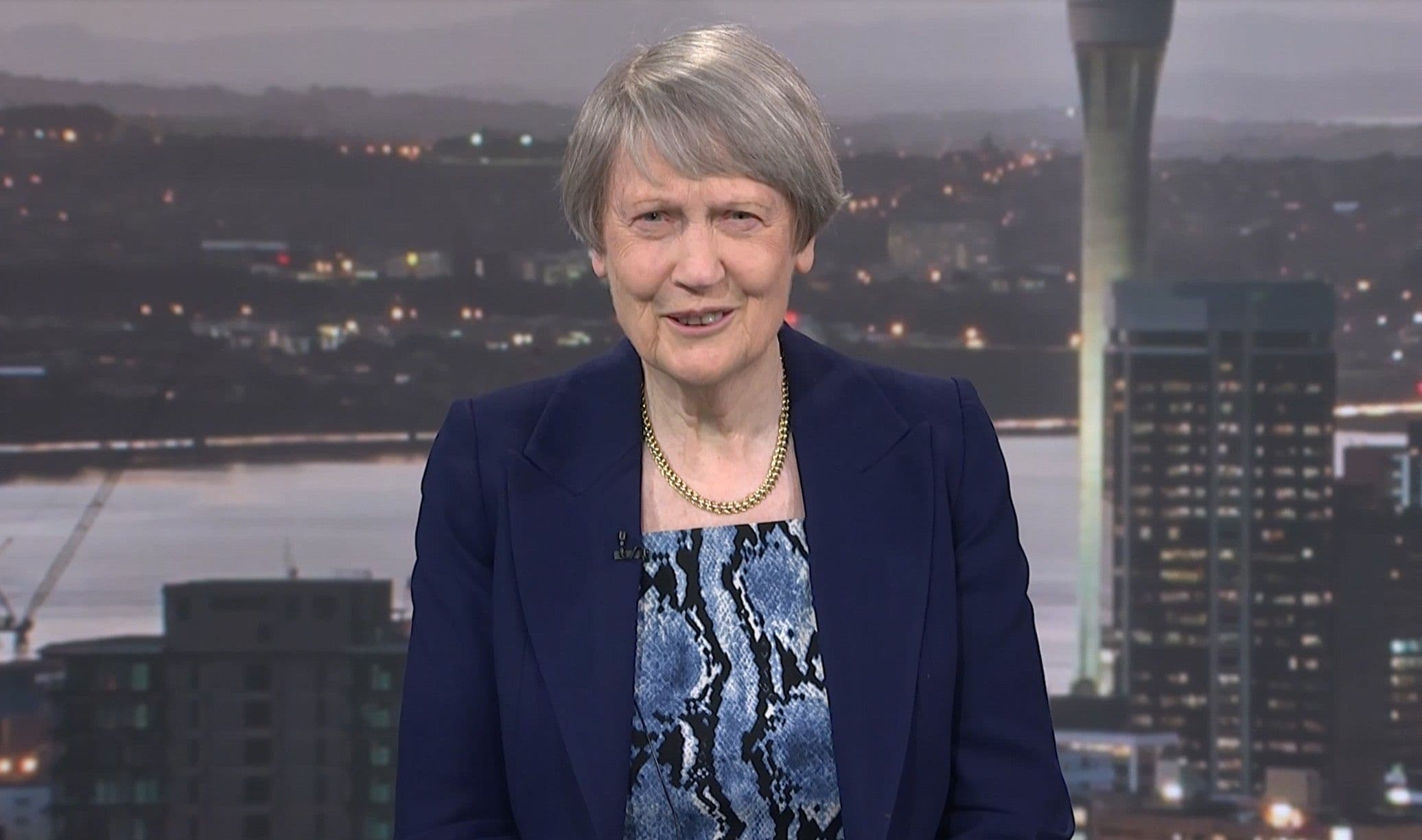
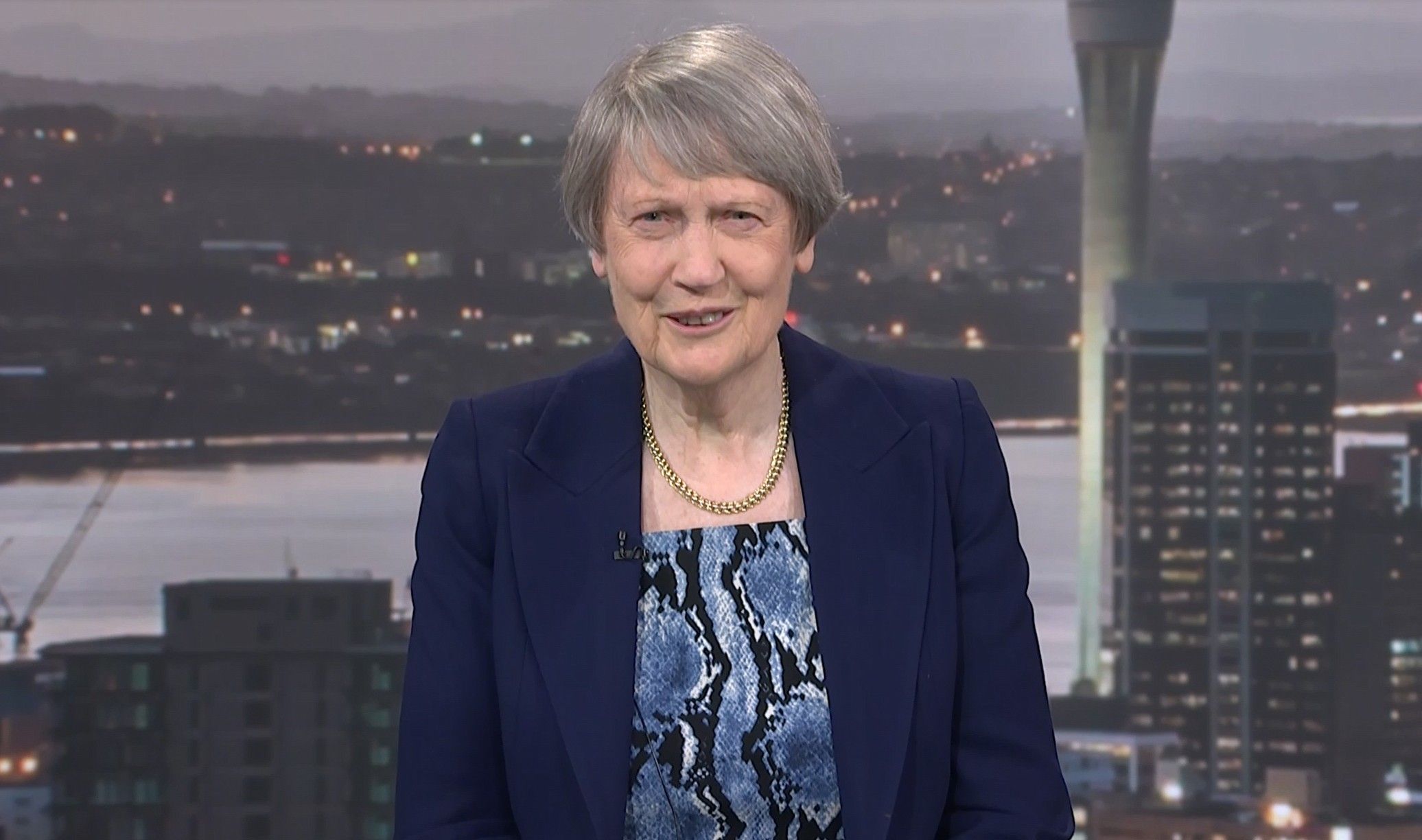
The Right Honourable Helen Clark
Helen Clark was Prime Minister of New Zealand from 1999-2008. During her nine years as Prime Minister, New Zealand enjoyed strong economic growth, low unemployment, and significant investment in public services. Her government set clear objectives for sustainable development and climate action.
Helen Clark became the Administrator of the United Nations Development Program in April 2009 and the Chair of the United Nations Development Group, a committee consisting of the heads of all UN funds, programmes and departments working on development issues. She was the first woman to assume these positions, which she held for a full two terms and eight years before standing down in April 2017.

Photo credit: The Elders/Jeff Moore.

Current Research Streams
We produce evidence-based policy advice to help New Zealand develop long-term solutions to key long-term challenges.

Research Stream #1
Build a sustainable and resilient future
Aotearoa New Zealand faces a unique set of challenges in the 21st century. From climate change and environmental degradation to delivering infrastructure and managing urban growth, we need innovative and evidence-based solutions to build a more sustainable and resilient future for all New Zealanders.
This research stream will bring together evidence and research that explores critical issues and develops practical solutions across a range of areas, including:
- Climate change mitigation and adaptation: We will investigate policies and strategies to reduce greenhouse gas emissions, build resilience to climate impacts, and ensure a just transition to a low-carbon economy.
- Environmental protection and restoration: We will explore ways to protect our precious natural resources, restore degraded ecosystems, and promote sustainable resource management practices.
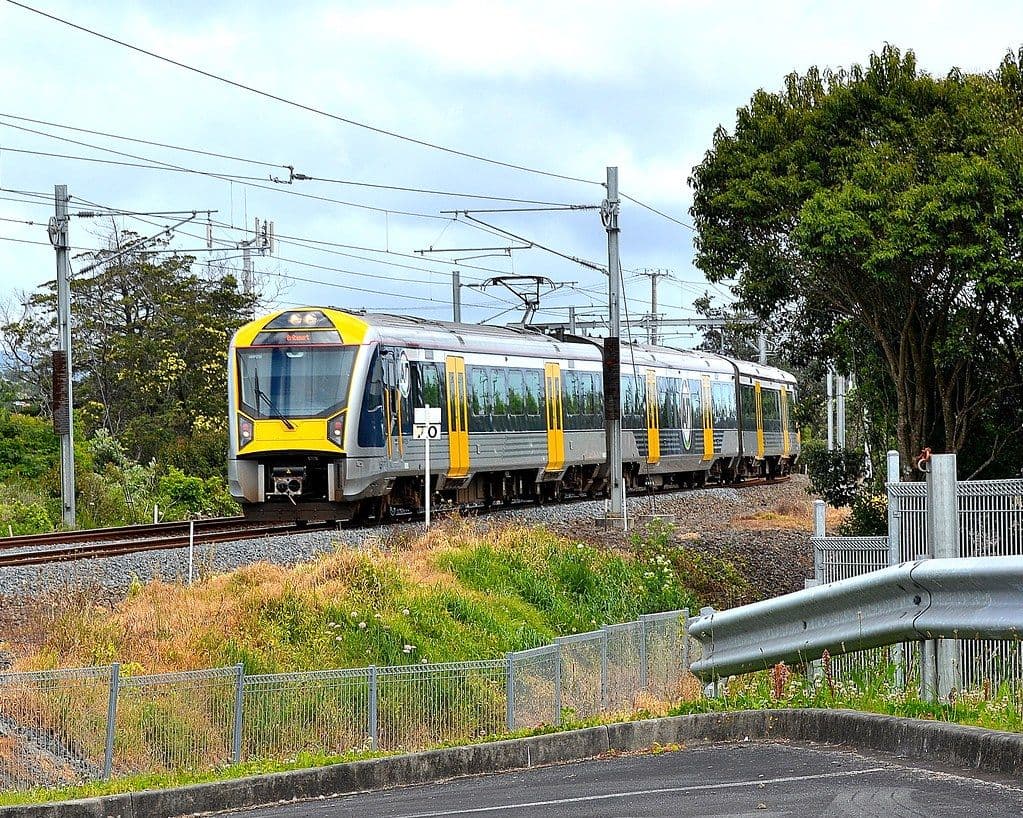
- Funding and financing infrastructure: We will consider the strategy and policy adjustments that will ensure we can build what needs to be built in more effective and efficient ways.
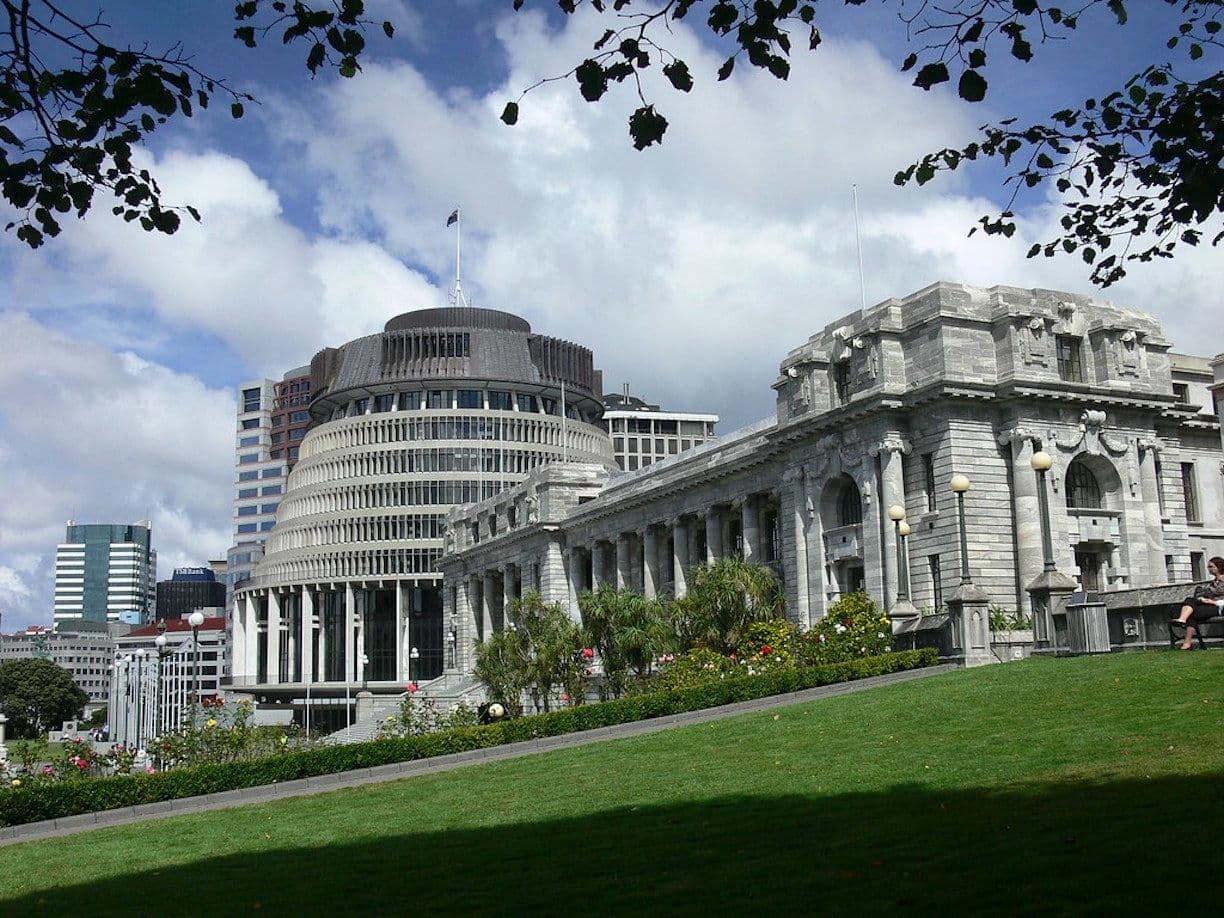
- Future-proofing our cities and urban areas: Nearly three quarters of Aotearoa New Zealand's population growth in the next 30 years will happen in cities, and Tāmaki Makarau Auckland alone will account for half this growth.

Research Stream #2
Foster a healthier, fairer society
We want Aotearoa New Zealand to be somewhere that everyone thrives. Yet, disparities in health, access to resources, and opportunities remain a challenge. This research stream dives deep into these issues, seeking solutions for a healthier and more equitable Aotearoa.
In this research stream we'll explore critical topics like:
- Drug policy: How can evidence-based drug policy approaches reduce harm, improve public health outcomes, and promote social justice?
- Social cohesion: We'll carry out research into policy approaches that foster a more connected society, where strong social networks and a sense of belonging contribute to overall well-being.
- Mental health: We'll look at ways to enhance mental health support systems, promote well-being, and tackle mental health inequities across communities.
- Healthy food systems: We'll explore strategies to increase access to affordable, nutritious food, support local food producers, and build a more sustainable food system.

Research Stream #3
Grow a more prosperous and equitable economy
There are a number of short and longer term problems facing our economy. From rising inequality and inflation to unlocking our true productivity potential, we need innovative and evidence-based solutions to build a more prosperous economy that benefits all New Zealanders.
This research stream will explore issues and develop policy solutions across key areas, including:
- Reducing inequality: We analyse trends and propose policy recommendations to address income and wealth disparities, ensuring everyone has a fair shot at economic success.
- Economic growth and wages: We critically examine the impact of the minimum wage on workers, businesses, and the broader economy, aiming to find the right settings to support economic growth.
- Unlocking productivity: We study factors impacting New Zealand's productivity, identifying strategies to enhance efficiency and competitiveness in the global marketplace.

Research Stream #4
Navigate a turbulent world
Our world is increasingly turbulent and unstable. With the rise of online hate speech, the complexities of maintaining New Zealand's independent foreign policy, navigating a rapidly-evolving media landscape, responding to global humanitarian crises and conflicts, and growing concerns of corruption in an increasingly interconnected world.
This research stream is dedicated to understanding these issues through a New Zealand lens. Particularly using the experience and knowledge of our patron, the Rt. Hon. Helen Clark, we'll explore how these global forces impact New Zealand and its people, and how we can best navigate this complex world.
Our research focus areas include:
- Sexual violence: Current research that will look at the under-reporting of sexual violence, inadequacies in definitions of consent, the rise of deep-fake AI, and the practice of virginity testing.
- Foreign policy: We have hosted webinars to discuss New Zealand's independent foreign policy in a world of shifting alliances, aiming to ensure our voice resonates on the international stage while upholding our values.
- Public policy, governance and the future of democracy: We explore how ongoing war and humanitarian crises impact New Zealand, and what we could be doing for those in need.
- Social media and traditional media: We have investigated the multifaceted impact of social media on New Zealand society, focusing on fostering responsible use, mitigating its potential downsides, reducing harm from online extremism, and advocating for greater transparency in social media algorithms.
- War and humanitarian crises: We explore how ongoing war and humanitarian crises impact New Zealand, and what we could be doing for those in need.
- Combating corruption: We delve into the issue of corruption, exploring strategies to strengthen transparency and accountability within institutions.
Events
Upcoming Events
Join us for our upcoming webinars and in-person events exploring key issues for Aotearoa New Zealand.
Webinar
2 November 2026 at 23:00
Playing the Long Game: Rob Campbell
Playing the Long Game is a new webinar series from the Helen Clark Foundation bringing together some of New Zealand's most experienced political, economic, and public-sector leaders to ask: how do we build policy that lasts?

Webinar
16 November 2026 at 23:00
Playing the Long Game: Josie Pagani
Playing the Long Game is a new webinar series from the Helen Clark Foundation, bringing together some of New Zealand's most experienced political, economic, and public-sector leaders to ask: how do we build policy that lasts?

Publications
Latest Research
Research that aims to contribute to a more inclusive, fair, and sustainable society.


Our Newsletter
Register for Updates
Sign-up to our free newsletter to receive updates about our latest work, public events, and insights on the issues shaping our world.
News & Media
Recent News
Stay up to date with the Foundation's latest news, insights, and updates.

News
Entrenched Poverty Crisis: Addressing New Zealand’s most shameful problem
Michael Johnston argues that education and industry-led pathways to work are key to overcoming poverty