
Pandemic Loneliness Bites Hard; Particularly For Disabled People
Ki te kotahi te kākaho ka whati, ki te kāpuia e kore e whati Alone we can be broken, standing…

Helen Clark Foundation
13 April 2021
Ki te kotahi te kākaho ka whati, ki te kāpuia e kore e whati
Alone we can be broken, standing together we are invincible
– Nā Kīngi Tāwhiao
Disabled people are four times more likely than non-disabled people to experience severe loneliness, with 10 percent reporting they feel lonely most or all of the time, a new report says.
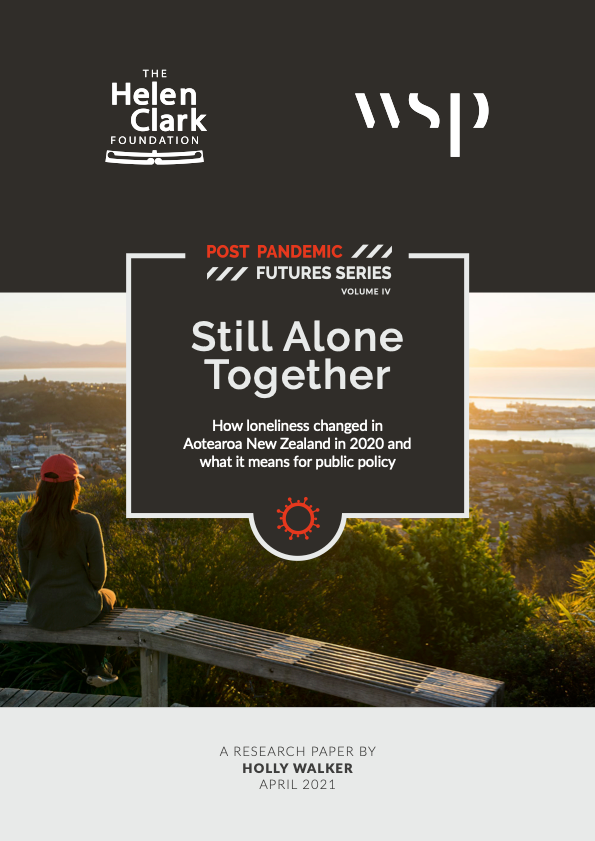
The report, Still Alone Together, by the Helen Clark Foundation and WSP updates their first report on loneliness released in June 2020 and provides a fuller picture of New Zealand’s levels of loneliness.
Across the whole population, self-reported loneliness increased immediately after the nationwide lockdown, and increased further later in the year, perhaps due to reduced ‘checking in’ on vulnerable people.
By the end of 2020, loneliness levels had largely reverted to pre-pandemic levels, Stats NZ data reveals.
Groups already at risk were severely affected and remained so by the end of the year. These include the unemployed, low-income earners, single parents, young people, recent migrants, Māori and disabled people.
By the end of the year, ten percent of disabled people reported feeling lonely most or all of the time, four times as many as the non-disabled population.
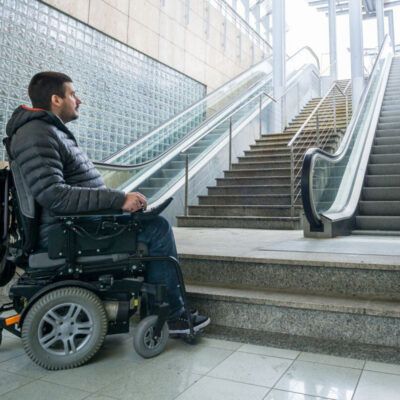
“Systemic issues such inaccessible buildings, inadequate housing and high unemployment can make it difficult for disabled people to connect with others,” Chief Executive of the Disabled Persons Assembly New Zealand (DPA) Prudence Walker said.
“We may not have colleagues, we are not able to easily socialise at the places other people do, and we may not be able to afford to participate on an equal basis. There are so many things we need to have in place to connect with other people that it can be exhausting. It’s no wonder people feel lonely.”
Report author and WSP Fellow Holly Walker says the impact of the pandemic appears to have compounded these experiences. “The high rates of loneliness among disabled people are stark and alarming,” she said.
This was particularly pronounced after the Level 4 lockdown, when 40 percent of respondents to a Victoria University survey in households in which someone received a Supported Living Payment reported feeling lonely most or all of the time.
Sole parents also found lockdown and the immediate aftermath particularly challenging, with 30 percent of sole parents in the VUW survey reporting feeling lonely most or all of the time in July.
By the year’s end, Stats NZ found 56 percent of sole parents still felt some feelings of loneliness.
A quarter of young people aged 18-24 in the VUW survey also felt lonely most or all of the time in July, post lockdown.
“These findings highlight the unequal impact of the pandemic,” Walker said. “New Zealand has undoubtedly experienced one of the best worldwide responses to Covid-19, but within that, some people have still been left lonely, isolated, and vulnerable. We can’t afford to leave some people struggling while others recover.”
The report says short periods of loneliness are normal but, when experienced consistently and for a prolonged period, it can have profound negative consequences for health and wellbeing.
Humans evolved to rely on each other for survival and spending weeks, months, or years stressed due to loneliness can create hormonal imbalances, disrupt sleep, elevate feelings of panic and anxiety, weaken our immune system, heighten the risk of high blood pressure, high cholesterol, heart disease, depression and dementia, the report notes.
The previous report Alone Together made the case for loneliness to be taken more seriously as a public policy issue, and gave 12 recommendations to the Government.
“We are pleased to note that there has been significant progress in some areas,” Walker said
“However, in others there has been little to none. Particularly in closing the digital divide, improving public transport, and in getting the new frontline mental health service off the ground,” Walker said.
“Loneliness remains a significant public policy challenge because its myriad negative health and wellbeing impacts are disproportionately affecting those who were already most negatively impacted by Covid-19.
“A particular focus on the social wellbeing of disabled people, unemployed people, people on low incomes, sole parents, and young people is required.”
Updated recommendations to Government:
Make sure people have enough money
- Implement an effective guaranteed minimum income for all New Zealanders to enable everyone to live with dignity. This should include raising main benefits to liveable levels and increasing the minimum wage to the living wage.
- Increase support so that everybody who wants a job can find one, including by continuing to subsidise vocational retraining, and by increasing support for disability employment services.
Close the digital divide
- Urgently make the provision of high-speed internet access standard in all social housing tenancies and a standard feature of government-funded disability support programmes.
- Continue to invest in the provision of internet-enabled devices and support for online teaching and learning, and partner with community organisations to expand the provision of devices and internet connections to people in need beyond the education sector.
- Make internet safety a core part of the school curriculum to support young people at risk of online harm from increased use of digital technologies.
Help communities do their magic
- Continue to invest in community-led development funds for community organisations to support self-identified collective goals. This should include investment in disabled-led and owned community building and spaces of belonging for disabled people.
- Continue to boost support for Whānau Ora to enable Māori communities to respond to self-identified challenges and meet collective goals.
Create friendly streets and neighbourhoods
- Prioritise social wellbeing and accessibility in all Kāinga Ora-led housing developments.
- Issue guidance on the National Policy Statement on urban development to stipulate that all urban development projects should promote social wellbeing and meet the highest standards of accessibility.
- Work with public transport providers to improve the design and accessibility of buses and trains, including to encourage positive social interaction while minimising dangerous enforced proximity.
Prioritise those already lonely
- Prioritise services and supports for those most at risk of experiencing loneliness, including young people, unemployed people, sole parents, and disabled people.
Invest in frontline mental health
- Fully commit all of the allocated funding for the new frontline mental health service to bring forward the date of its implementation as much as possible.
The Helen Clark Foundation is an independent public policy think tank based at the Auckland University of Technology.
Still Alone Together is the fourth report in a series discussing policy challenges facing New Zealand due to the Covid-19 pandemic, and the third report produced in partnership with WSP New Zealand.
Its data was drawn from Stats NZ’s quarterly Wellbeing statistics in 2020 and previously unpublished results of a survey by researchers at Victoria University of Wellington taken at Level 1 in July 2020.
Keywords

The Impact of Your Support
Your support makes everything we do possible - from producing new research and policy ideas, to hosting our honorary fellows programme, to running public events and member-only webinars that bring people together for meaningful conversations about New Zealand’s future.
37+
Major Reports Published
90+
Events Hosted
50+
Significant Media Appearances in 2025
12,500+
Individuals engaged with our Research