
Incivility is hurting local government democracy
Incivility, abuse, and outright hostility directed at local government undermines democratic rights
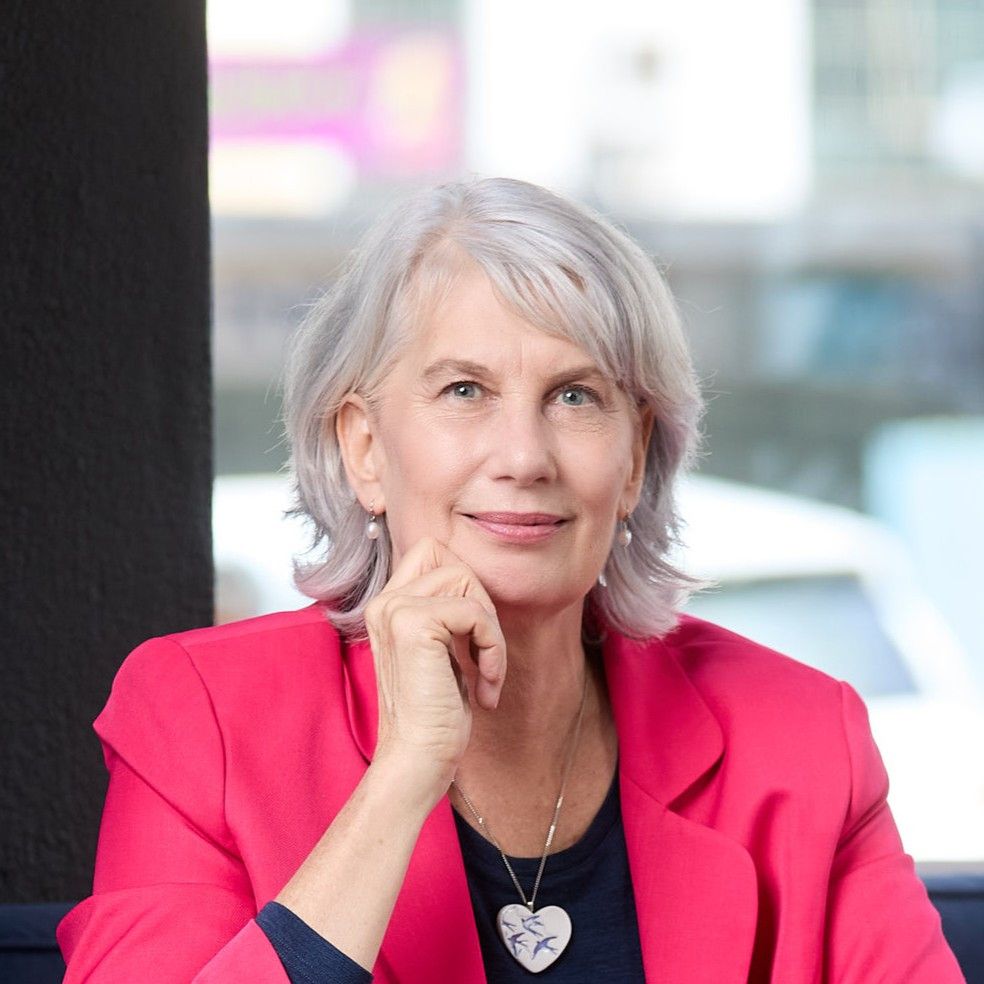
Paula Southgate
7 September 2026

The surge of incivility, abuse, and outright hostility directed at local government candidates and councillors undermines the democratic rights we all share. Our right to be heard. Our right to shape our future.
In New Zealand and across the world, many good, capable people are increasingly choosing not to stand or re-stand in Local Government elections.
Every social media pile on, every insult, every threat or hostile interaction is having an impact. We have “normalised” behaviour that would be unacceptable elsewhere and undermined the rights of others.
Civility is not about good manners or stifling debate; it is about respect and inclusivity. Democracy needs positive, informed and motivated participation from all parts of our community, not those who protest loudly or attack.
The evidence is impossible to dismiss. In Canada, 63% of elected representatives, and an alarming 74% of Quebec's mayors and councillors reported experiencing harassment during their campaigns or while in office. From Vancouver Island to Nova Scotia, councils are reporting unprecedented levels of anger, abuse and intimidation at public meetings. Ireland is seeing the same pattern, with tensions over the housing crisis spilling into increasingly hostile behaviour towards local representatives.
The United Kingdom paints an equally disturbing picture. One recent media report described being a councillor as "one of the worst jobs in Britain" because of the relentless abuse. Councillors have endured everything from dead rats being pushed through letterboxes and vicious online defamation to stalking, death threats and, in the most extreme cases, violence. Ten years after the murder of MP Jo Cox, the Jo Cox Foundation, which has expanded its advocacy beyond parliament to local government, warns that such abuse has become so commonplace it is increasingly viewed as an "occupational hazard" for elected members.
Deepfakes, doxing, bot-driven trolling and impersonation campaigns are appearing in big cities like London and Toronto and in communities and small councils.
Closer to home, Australian research found that four out of five councillors had experienced threatening or intimidating behaviour. In Tasmania, half of all councillors surveyed said they do not intend to seek re-election, again identifying toxic community behaviour as a major reason for walking away. New Zealand is showing the same warning signs. One Mayor recently decided not to publicise his home address on the Companies Register as a preventative measure. Fair enough! Another experienced a frightening home invasion/home take over in Nelson. A deputy mayor needed to be safely escorted from a public meeting following loud harassment and threats of a citizen arrest. In June 2025, an AI-generated deepfake video emerged online depicting a first term young Nelson City Councillor with a military-style firearm.
These are not isolated incidents or the “price of political life.” They are warning signs of a democratic culture under strain. When intimidation drives good people away from public office, we don't just lose elected representatives, we lose experience, diversity, talent and local voices that represent us all.
Some countries are taking action. Quebec has introduced fines for abusers and support services for victims. Whitehorse Council in the Yukon, has adopted a civility policy, created “peace officers” and set clear expectations for public behaviour in council chambers. It’s a start. Elected members need practical support. In New Zealand, LGNZ provides support and resources, while the Remuneration Authority’s allowance of up to $4500 for home security systems recognises the risks some representatives now face.
However, international data shows that the reasons for incivility are complex and include feeling unheard, political unrest, misinformation and disinformation, new communication choices and social media, and in my view the demise of manners.
Clearly, we need a coordinated response to disinformation. False information does not stay online; it shapes attitudes, damages trust and can fuel personal attacks. We need to hold digital platforms to account; this includes tech giants such as X and the smaller local Facebook administrators. Malicious content must be removed quickly before it spirals. We must support trusted media to give fair but firm perspectives.
This is not to shield politicians from scrutiny. Democracy needs challenge, disagreement and debate. It is to protect fair democracy.
We must also give ALL people a genuine and safe voice. Traditional consultation can feel like a process rather than a partnership. Citizens’ assemblies, stronger community relationships and meaningful local engagement can help people feel heard and involved before frustration turns into anger.
Without change we will continue to get distorted feedback from the loudest, angriest, or most organised and resourced influencers or disrupters. Trust in the elected will remain low and democracy will be harder to sustain. Sadly, some elected members are not always the best role models of behaviour themselves.
None of this is easy. There are many evolving parts. Look how much AI is influencing our lives and politics.
But unless we work together to create safe and fair ways to be heard, to disagree and to participate in local democracy, we all lose.
The alternative is a future where good people decide public service is just not worth the cost.
Paula Southgate is the former mayor of Hamilton and an Honorary Senior Fellow at the Helen Clark Foundation
Keywords

The Impact of Your Support
Your support makes everything we do possible - from producing new research and policy ideas, to hosting our honorary fellows programme, to running public events and member-only webinars that bring people together for meaningful conversations about New Zealand’s future.
37+
Major Reports Published
90+
Events Hosted
50+
Significant Media Appearances in 2025
12,500+
Individuals engaged with our Research