
Infrastructure crisis: We must depoliticise decision-making
Kali Mercier argues that solutions to our infrastructure crisis lie in long-term planning and measuring value properly
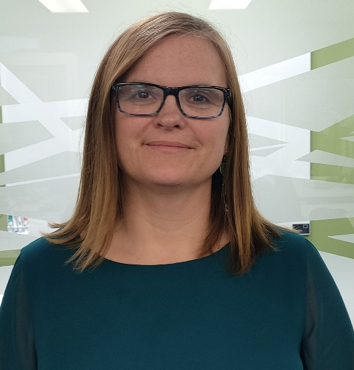
Kali Mercier
30 October 2026

This piece was originally published in The Post as part of a series on six crises facing New Zealand.
Turn on a light. Drink a glass of water. Drive to the supermarket. The simple things we do everyday rely on infrastructure – pipes, roads, hospitals and power plants. Yet there’s broad agreement we face a significant shortfall, both in what we need for the future and the quality of what we already have. Heading to election day, that should make infrastructure a defining issue.
The signs are everywhere. A lack of affordable housing. Leaking water pipes and potholed roads. Overflowing stormwater drains and regular urban flooding. Inadequate public transport and hospitals short of capacity.
We haven't invested enough in new infrastructure to support population growth in cities. Worse is that we don't properly maintain or renew what we already have. The Infrastructure Commission estimates that as much as 99% of the infrastructure we need already exists. Much of it is ageing and no longer fit for purpose after ongoing underinvestment.
Ineffective spending
The pressures are only growing. Climate change will intensify flooding, slips and coastal erosion. A rapidly ageing population needs more accessible housing, aged care and health infrastructure, paid for by a proportionally smaller workforce. The ratio of working-aged people to over 65s is currently around four-to-one. By 2070, that will fall to two-to-one. Without a coherent, long-term plan, costly responses to crisis after crisis will become the norm.
Between 2010 and 2019, New Zealand spent more per capita on public infrastructure than any other OECD country, at 5.8% of GDP. Yet we rank 37th for how efficiently we invest.
Much of that is beyond our control. The country is long, thin, sparsely populated and highly exposed to natural hazards. But we also make things more expensive than they need to be. We plan badly, causing cost overruns. We invest inconsistently, wasting time and money. And we maintain complex regulatory and approval processes.
Historically, we have invested in waves, followed by long periods of underinvestment from the mid-1980s to the early 2000s. Deferred maintenance means many assets are reaching the end of their lives at the same time. The OECD ranks us fourth-to-last for asset management.
Flip flops
Politics plays a big part. Voters can easily see what comes out of their pockets in taxes and rates. It’s much harder to see whether we’re keeping up with maintenance, or quietly passing costs to future generations. Keeping taxes and rates low wins votes, so maintenance gets skimped – until services fail dramatically and publicly, like Wellington's pipes.
We also flip-flop. Large projects, with millions sunk into them, are cancelled when new governments take over. Decades of indecision over the next Auckland harbour crossing and decisions around the Cook Strait ferry are examples. This stop-start approach has recently sent much of our skilled construction and engineering workforce offshore.
Nowhere are the stakes higher than in our regions, which underpin the national economy. Transport networks carry products to market and are crucial for wellbeing, enabling access healthcare, education and work. Yet many regions – including the West Coast, Tairāwhiti and Northland – rely heavily on a single road connection with the rest of the country. Around 6,000 geological and weather events affect these state highways every year, making many areas increasingly vulnerable as the climate changes.
Despite this vulnerability, each transport mode – aviation, rail, roads and shipping - is governed separately, with its own strategies and investment incentives. Network-wide decisions are rarely made. A more joined-up and multi-modal approach to investment in roads, rail, shipping and aviation would help keep our regions more productive, resilient and connected.
Long-term planning
Also clear is that we must get better at planning for long-term trends. Our biggest cities will keep growing, while the populations of many rural areas will age and fall. We need to track population projections and invest in healthcare, aged care and housing accordingly. On climate, we must stop building in risky areas, strengthen flood protections where cost-effective, and support people to move out of harm's way where adapting is not practical.
Meanwhile, it is crucial we attempt to depoliticise investment decision-making. Parties should forge a multi-party agreement on a long-term infrastructure vision. Denmark offers a model: transport representatives from all its political parties meet weekly to agree long-term plans, so infrastructure rarely features in elections. Establishing citizens' assemblies to make some of the more politicised decisions is another option. We should also consider giving more decision-making power to the Infrastructure Commission, which operates independently of government. Requiring transparency around how well central and regional governments are managing assets (perhaps with an independently assessed scorecard) would help the public judge whether costs are being pushed onto future generations.
New Zealand could also get much better at delivering complex projects. Investing more time upfront in planning, then delivering as quickly as possible, reduces the risk of a pandemic or other ‘black swan event’ derailing projects.
Measuring value
We also need to measure value properly. Social cost-benefit analysis is the primary tool for making public investment efficient and evidence-based, yet it is applied inconsistently. Major infrastructure projects often go to Cabinet for investment decisions without a cost-benefit analysis attached. The recent report by the Helen Clark Foundation and global engineering, science and infrastructure firm WSP, Measuring What Matters, recommends making cost-benefit analysis mandatory for central government investments above a set threshold, and publishing benefit-cost ratios as a matter of course.
Comparing costs and benefits for different types of investment across agencies and sectors – health, housing, education, transport – should also be an aspirational goal. With tightening finances, we must direct funding to its highest-value uses. Sometimes it will make more sense to invest in non-build options, such as providing better care for older people in their homes to reduce the need for more hospitals, or investing in programmes to reduce criminal reoffending so we need fewer prisons. Such options should always be part of the calculations.
Finally, we should look after what we already have, first and foremost. Decision-makers must ringfence funding for renewing old infrastructure from depreciation of existing assets, or publicly explain why they are not doing so. When building new infrastructure, investment decisions should be based on whole-of-life costs and benefits – not just the cheapest quote.
Fixing our infrastructure crisis means long-term planning, proper commitment (not just lip service) to taking a non-partisan approach, focussing on maintenance and renewals, and real accountability from decision-makers. If we put looking after what we have at the centre of our strategy, we can deliver reliable, resilient services without handing future generations the bill for the infrastructure we ourselves have enjoyed.
Kali Mercier is the WSP Fellow and Deputy Director of the Helen Clark Foundation. This opinion piece is based on his chapter in the Helen Clark Foundation's latest book, Facing Up to Our Future: Challenges and Choices for New Zealand.
Keywords

The Impact of Your Support
Your support makes everything we do possible - from producing new research and policy ideas, to hosting our honorary fellows programme, to running public events and member-only webinars that bring people together for meaningful conversations about New Zealand’s future.
37+
Major Reports Published
90+
Events Hosted
50+
Significant Media Appearances in 2025
12,500+
Individuals engaged with our Research