
Research
Rethinking Regional Connectivity
Unlocking opportunities across road, rail, air, and sea

Kali Mercier
29 October 2026
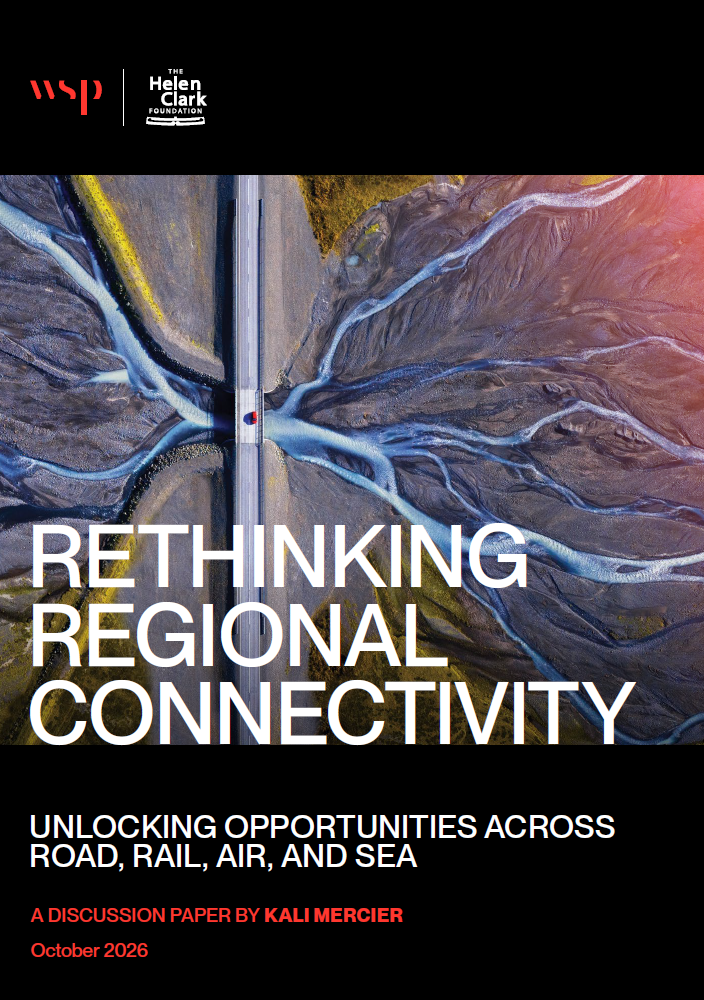
New Zealand's regions are vital to the national economy. Forestry, dairy and horticulture all rely on transport to reach their markets. The same networks connect people to healthcare, education, work and family. Yet many of these connections are fragile. Around 6,000 geological and hydrological events affect the state highway network each year, and a single slip or flood can cut a community off, impacting local economies and disrupting lives.
This discussion paper looks at how are regions are connected and what that means in terms of three key outcomes: productivity, resilience and wellbeing. The paper notes that each transport mode (roads, rail, aviation and shipping) is governed separately and is subject to different investment incentives. Thus, decisions are rarely made with the whole network in mind. Meanwhile, budgets are tightening, populations are changing and climate change is making disruption more frequent and more costly.
The paper doesn't offer a single fix. Instead, it sets out ideas to start a wider conversation. These include more joined-up strategic thinking and governance across modes, a national spatial plan, a closer look at passenger and freight rail, and better public transport between regions. The paper also proposes the country develop a coherent strategy to ensure that key aviation routes, essential ports, and domestic coastal shipping capability remain viable in the long term. With major reforms to central and local government under way, now is a good time to rethink how we keep our regions connected.
Keywords
Enter your details to download:

The Impact of Your Support
Your support makes everything we do possible - from producing new research and policy ideas, to hosting our honorary fellows programme, to running public events and member-only webinars that bring people together for meaningful conversations about New Zealand’s future.
37+
Major Reports Published
90+
Events Hosted
50+
Significant Media Appearances in 2025
12,500+
Individuals engaged with our Research